

The Minerva Center for the Rule of Law under Extreme Conditions
In Collaboration With
The University of Hamburg
Participants in workshop on: Multiple, Complex & Cascading Extreme Conditions
Participants in alphabetic order
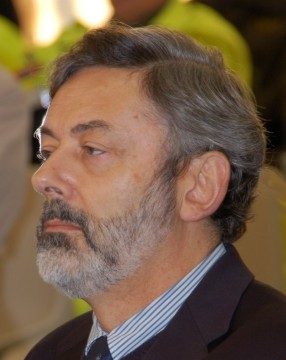
David Alexander is Emeritus Professor of Emergency Planning and Management at University College London and visiting or cross-appointment professor at Tōhoku University in Japan. He has taught and researched disaster studies for 45 years. His books include “Natural Disasters”, “Confronting Catastrophe”, “Principles of Emergency Planning and Management”, “Recovery from Disaster” (with Ian Davis) and “How to Write an Emergency Plan”. He is the Founding Editor of the International Journal of Disaster Risk Reduction, and Vice-President of the Institute of Civil Protection and Emergency Management. His research interests centre on disaster risk reduction, natural hazards, and earthquake disasters. David Alexander is presently working for the British, Irish, French and Japanese Governments on risk management issues.
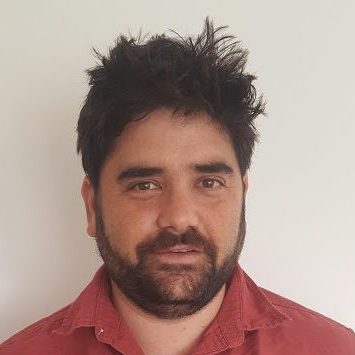
Uri Ansenberg is a postdoctoral fellow at the Minerva Center for the Rule of Law Under Extreme Conditions. He is presently researching the role of real estate valuations in shaping and perpetuating the Israeli occupation in East Jerusalem. Prior to this, Dr. Ansenberg pursued his PhD at the University of Manchester, UK, where he conducted an ethnographic study examining the relationship between real estate valuations, urban planning, and management.
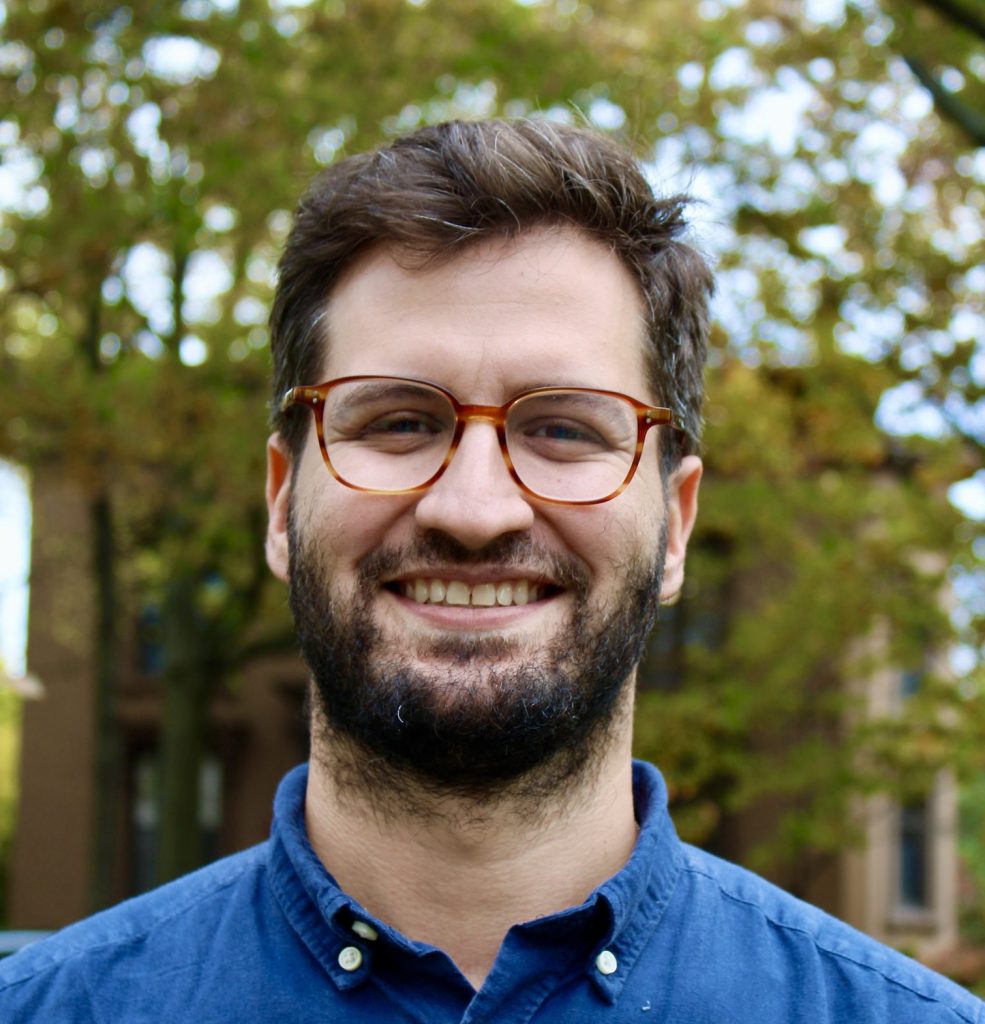
Or Asher is a post-doctoral fellow at the Minerva Center for the Rule of Law Under Extreme Conditions. His research lies at the intersection of politics and law, with a particular emphasis on comparative constitution-making processes. In his dissertation, he developed a theory of civil society organizations’ involvement and influence in constitution-making, examining Israel and Ireland. His work highlights how CSOs are independent actors within constitutional politics.
During his fellowship at the Minerva Center, his research focuses on abusive constitutional efforts, paying special attention to the role CSOs play in initiating and legitimizing such efforts. He holds an M.A. in Political Science and a B.A. in Political Science and History from Tel Aviv University

Stephanie Assaf is a researcher at the Azrieli Center for Israel Studies (MALI), at The Ben-Gurion Research Institute for the study of Israel and Zionism at Ben-Gurion University of the Negev (Israel) together with the Minerva Center at the University of Haifa (Israel), associated with the Cascading and Complex Extreme Conditions program since 2024. Researcher in postdoctoral internship in the postgraduate program in Social History at UFRJ (PPGHIS – IFCS – UFRJ, Brazil), under the supervision of Prof. Dr. Michel Gherman since 2024. Associate professor of the Architecture and Urbanism course at Centro Universitário UNA (Brazil) since August 2021. PhD in Urban and Regional Planning at IPPUR – UFRJ, Brazil (2024), master in Social Anthropology at PPGAn – UFMG, Brazil (2016), specialist in Urban Politics and Planning at IPPUR – UFRJ, Brazil (2017), and graduated in Architecture and Urbanism at EA – UFMG, Brazil (2011). Experience in the areas of Social Anthropology, Urbanism, Urban History, Urban and State Anthropology, and Urban Planning. With emphasis on the themes: city and culture; discourses, languages, and narratives; city, politics, and democracy; crises in democracies, authoritarianism, and fascism; far-right in the 20th and 21st centuries; as well as States, great urban projects and interventions.
Antonia Braggia

Michal Ben Gal is a researcher and the Academic coordinator of the National Knowledge and Research Center for Emergency Readiness and the Minerva Center for the Rule of Law under Extreme Conditions at the University of Haifa. Michal received her PhD from the University of Haifa (2004). She is a planner (Master of City and Regional Planning, Faculty of Architecture and Planning, Technion, 1998) and member in the Israel Planners Association, as well as a lawyer (LL.B. from the University of Haifa, Faculty of Law (2009); admitted to the Israeli bar December 2010). Her main research interests include regulatory frameworks for emergency situations, and mitigation and facilitation of public and environmental conflicts. She was teaching Law and the Marine Environment at the Ruppin Academic Center School of Marine Sciences. Other professional experience includes roles as planner, mediator, coordinator and adviser for public participation processes. She is civically active in public issues surrounding planning projects.
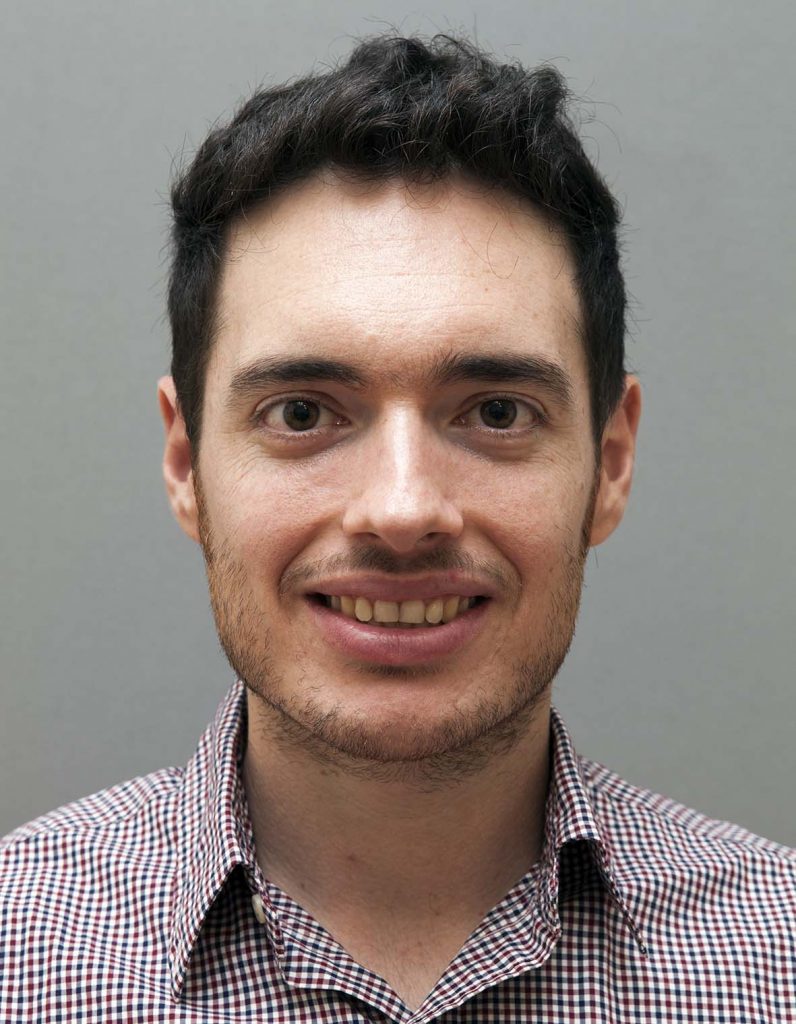
Nadav Dagan (PhD) serves as a Research Fellow at the Minerva Centre for the Rule of Law under Extreme Conditions, in collaboration with the Israel Democracy Institute, where he is also a Senior Researcher. His principal research areas encompass public law, governmental discretion, legal theory, democratic theory, and emergency law. In his current work at the Centre, he primarily investigates the interrelation and potential confluence of autocratisation and states of emergency.
Dr. Dagan holds an LL.B. from the University of Haifa, an LL.M. from University College London (UCL), and a Ph.D. conferred by Bar-Ilan University. From 2017 to 2019, he served as a postdoctoral Research Fellow at the Minerva Centre for the Rule of Law under Extreme Conditions. Alongside his ongoing research, Dr Dagan has taught a range of courses and seminars across several Israeli research universities, covering public law (constitutional and administrative), Israeli law, emergency law, and democratic studies.

Adi Gal is a researcher at the Minerva Center for the Rule of Law under Extreme Conditions and a J.S.D. candidate at Yale Law School, where she earned her LL.M. in 2020. Her scholarship examines the intersection of private law, public international law, and climate change law, with a particular focus on remedies and theories of responsibility. She is especially interested in how private law frameworks are shaping international legal remedies. Her work has appeared, or is forthcoming, in the Harvard International Law Journal, the Journal of International Criminal Justice, Ecology Law Quarterly, and other leading publications.
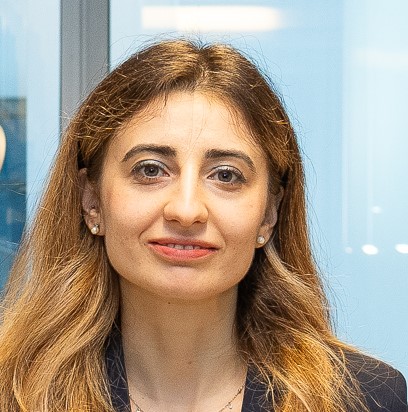
Chiara Graziani is an Assistant Professor in Comparative Public Law at Bocconi University. Before, she has been Post-Doc Fellow at the same University. She holds a Ph.D. in Italian, European and Comparative Constitutional Law from the University of Genoa.
Her main research interests lie in the fields of emergency law, human rights, and the use of technology during crises. Among her recent publications is the book, co-authored with Arianna Vedaschi, Artificial Intelligence, Counter-Terrorism and the Rule of Law. At the Heart of National Security (Elgar, 2025).
Chiara was a visiting scholar in prestigious universities and research centers abroad (among which the Istituto Svizzero di Diritto Comparato and the Trinity College Dublin) and she is the convenor, along with Oran Doyle and Juliano Benvindo, of a research group of the International Association of Constitutional Law focused on public law responses to public health emergencies.
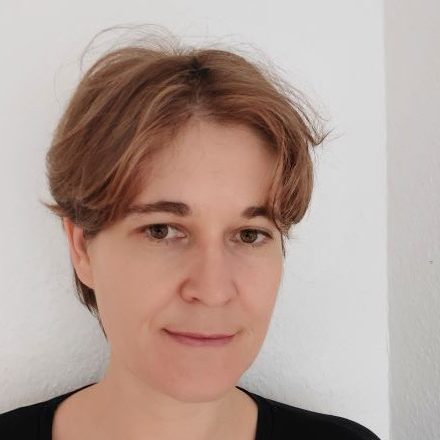
Michaela Hailbronner is a Professor of Public Law and Human Rights at the University of Giessen. Michaela completed two German law degrees at the University of Freiburg and the Kammergericht of Berlin before doing an LL.M. and a J.S.D. (doctorate) at Yale Law School (LL.M. 2010 and J.S.D. 2013). Her analysis of German constitutionalism against a broader comparative background appeared in a paper that won the I.CON Inaugural Best Paper Award 2014 and in her first book Traditions and Transformations: The Rise of German Constitutionalism (Oxford University Press, 2015). Her more recent work has been in the field of comparative constitutional law and human rights, appearing inter alia in the American Journal of Comparative Law and the University of Toronto Law Journal. She is currently working on a book project on public law perspectives on institutional failure.
Mostafa Hetteh
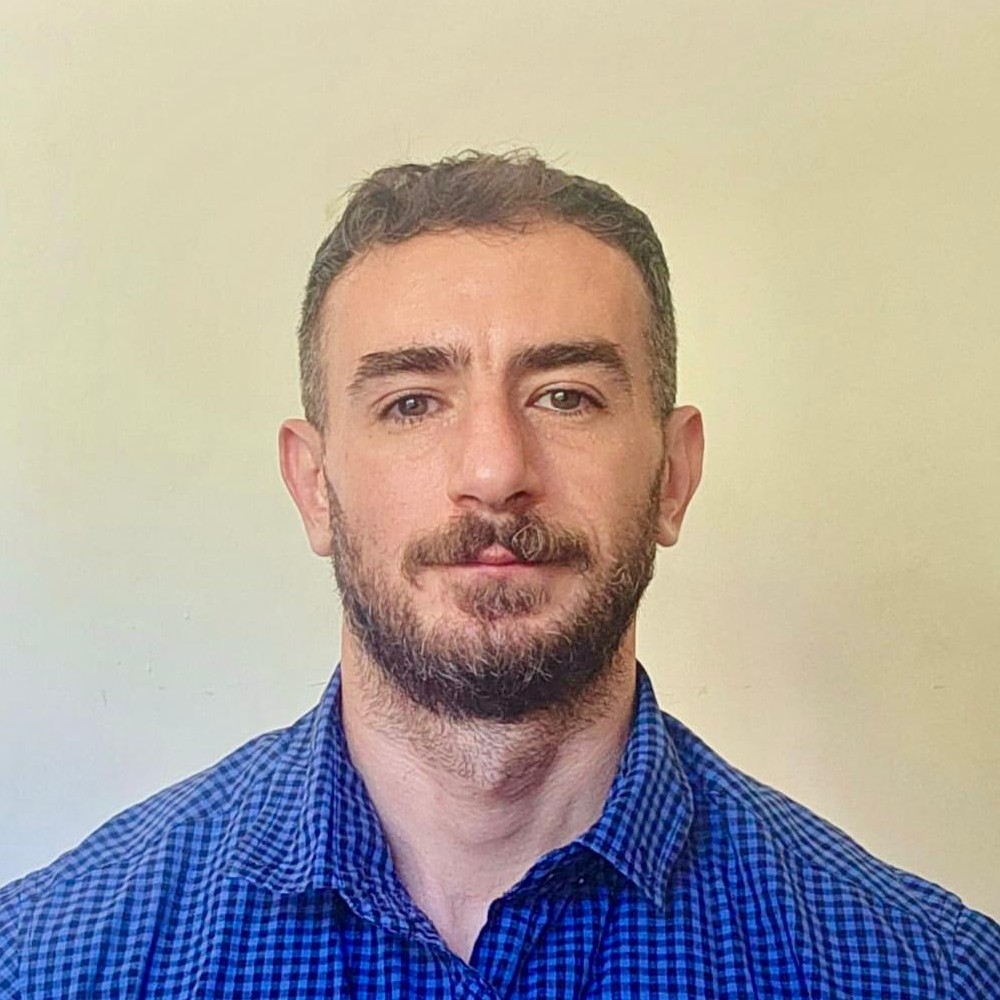
Fady Khoury is a post-doctoral fellow at the Minerva Center for the Rule of Law Under Extreme Conditions. His research focuses on constitutional law and design in deeply divided societies, primarily looking into constitutional systems predicated on inter-group consensual arrangements, which present an alternative to majoritarian models of democracy. During his fellowship at the Minerva Center, his research project focuses on developing a normative theory of apex courts’ design in divided societies. Fady completed his doctorate at Harvard Law School, comparatively exploring several aspects of constitutional design in three divided societies: Lebanon, Belgium and Northern Ireland. Fady completed his LL.B. at the Haifa University Faculty of Law and his LL.M. at Harvard Law School.
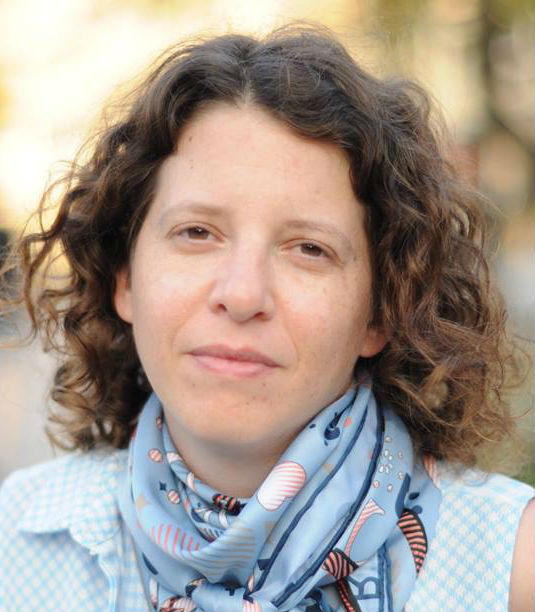
Maya Mark is a Professor at the Ben-Gurion Research Institute for the Study of Israel and Zionism, Ben-Gurion University of the Negev. Trained as a political and legal historian at Tel Aviv University, her research examines the democratic worldview of the Israeli right, the rule of law under extreme conditions, and the dynamics of political violence.
Maya was a post-doctoral fellow in the Minerva Center for the Rule of Law under Extreme Conditions in 2016-2018. She conducted an interdisciplinary project of law and history which examined the Prevention of Terrorism Ordinance as a case study for the rule of law under extreme conditions.
Maya obtained her LLB (magna cum laude) and LLM (magna cum laude) from Tel Aviv University. Her doctoral research, conducted under the guidance of Justice Prof. Daphne Barak-Erez and Prof. Arie Naor, deals with Menachem Begin’s world view of law and regime. Maya was an intern at the Supreme Court (the chamber of Justice M. Naor) and a senior clerk for Justice E. Hayut. She is currently a lecturer at The Buchmann Faculty of Law at Tel Aviv University.
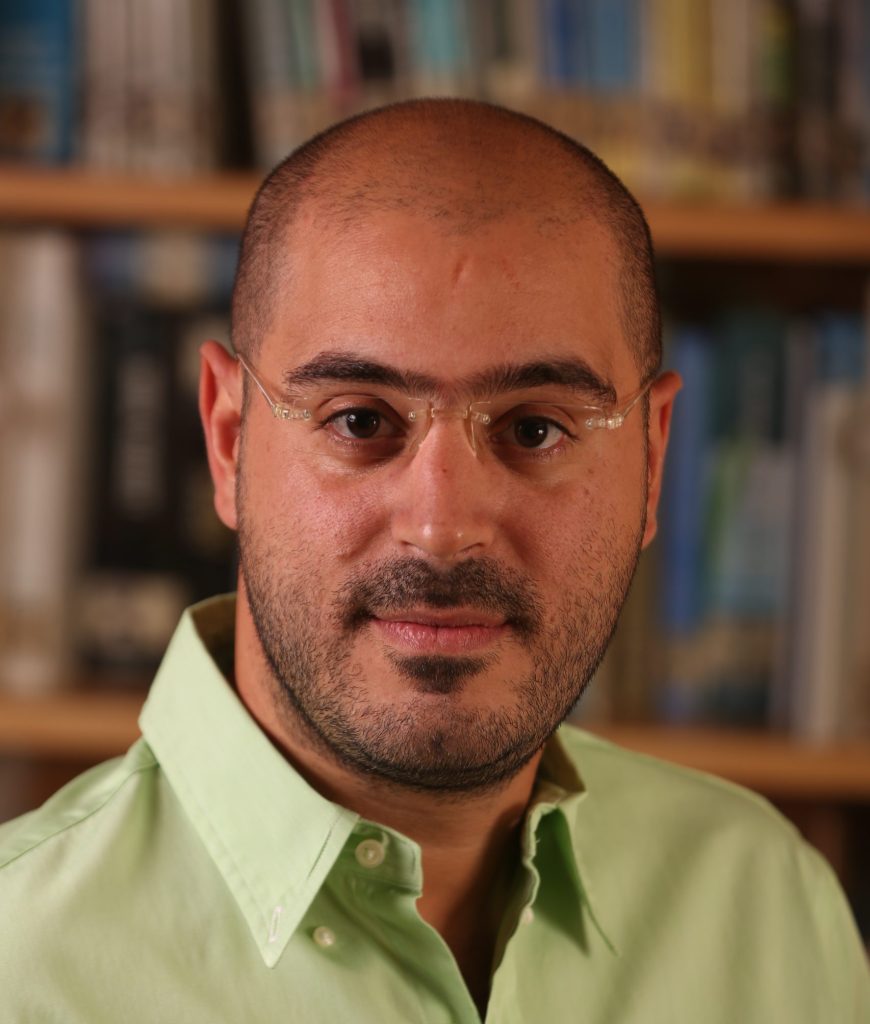
Nadiv Mordechay was a post-doctoral fellow at the Minerva Center for the Rule of Law under Extreme Conditions; and a Research-Fellow at the Rubinstein Center for Constitutional Challenges at Reichman University. He specializes in Constitutional Theory, Comparative Constitutional Studies, Constitutional and Administrative law and Informal Constitutional change. His Hebrew University of Jerusalem doctorate dissertation, INFORMAL CONSTITUTIONAL CHANGE AFTER THE CONSTITUTIONAL REVOLUTION, deals with interbranch institutional changes in the Israeli constitutional order after the demise of the judicial revolution. Nadiv has published numerus articles, and has a decade of experience in policy and democratization processes, working at the Israel Democracy Institute. Nadiv completed his LL.B. and LL.M. at Hebrew University of Jerusalem; clerked at the Supreme Court and the Office of the Attorney General; and served as a visiting researcher at NYU University.
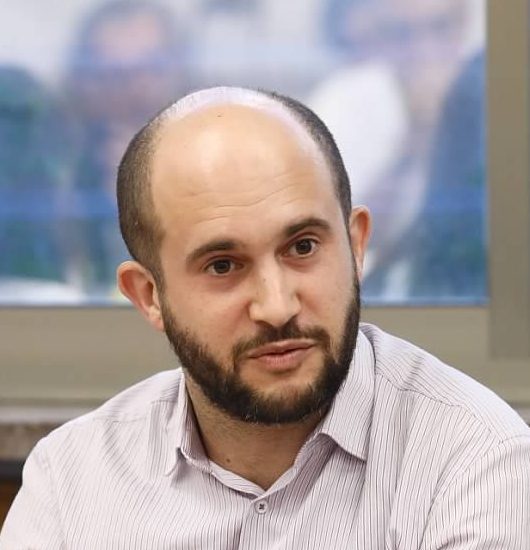
Benjamin Newman is a Research Fellow at the Minerva Center for the Rule of Law under Extreme Conditions, University of Haifa, and a Postdoctoral Fellow at the Cheshin Center for Advanced Legal Studies, Hebrew University of Jerusalem. His research examines judicial review and the separation of powers in criminal proceedings during war and polarization.
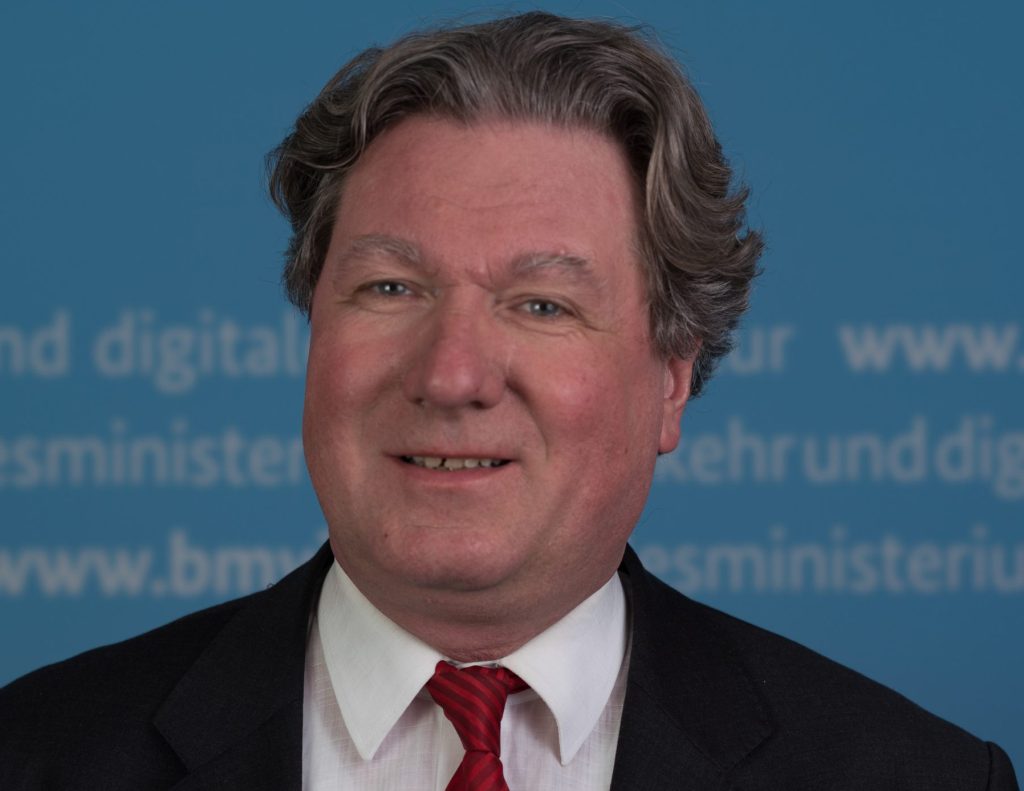
Stefan Oeter (Prof. Dr. jur.): Since 1999 Professor for German and Comparative Public Law and Public International Law, Faculty of Law, University of Hamburg. Law degree at the University of Heidelberg; 1987-1997 research fellow at the Max Planck Institute for Comparative Public and Public International Law, Heidelberg; 1990 Dr. iur. utr. (Heidelberg); 1997 Habilitation in Public Law and International Law (University of Heidelberg). Member of the Permanent Court of Arbitration; Member (and since July 2025 Vice-President) of the Academy of Sciences in Hamburg; President of the Historical Commission of the International Society for Military Law and the Laws of War. Current research interests: Minority protection and human rights law, law of armed conflict, theory of international law and international relations.
Magdalena (Magda) Pacholska is a post-doctoral fellow at the Minerva Center for the Rule of Law under Extreme Conditions. Magda was a Marie Skłodowska-Curie Postdoctoral Fellow at the Asser Institute (University of Amsterdam) where she was part of the Designing International Law and Ethics into Military Artificial Intelligence (DILEMA) Project. Before that, she worked as a legal adviser at the Polish General Command of the Armed Forces, where she focused on the legal aspects of interoperability in joint operations. She holds a Ph.D. from the Hebrew University of Jerusalem and an LL.M. in International Criminal Law from the University of Amsterdam (joint program with Columbia Law School). She is the Managing editor of The Military Law and the Law of War Review (Edward Elgar).
Elvira Pushkareva

Michael Rabi Syrkin is a post-doctoral fellow at the Minerva Center for the Rule of Law under Extreme Conditions at the University of Haifa (2025–2026). His research focuses on the intersection of governance, crises and emergencies, and health from a political, historical, and sociological perspective. Currently, he is researching the emergence of “infodemics” as a field of expertise and governmental problem. Before joining the Center, he was a postdoctoral fellow at the Leonard Davis Institute for International Relations at the Hebrew University of Jerusalem, where he studied how the politics of emergency aftermath shapes change in global health governance, and earned his Ph.D. at the School of Public Policy and Governance at the Hebrew University, where his dissertation examined the global governance of health emergencies. Michael’s work has been published in leading journals such as Sociology of Health & Illness, Medical

Amnon Reichman is a full Professor at the faculty of law, University of Haifa and a co-Principal Investigator (PI) of the Minerva Center for the Rule of Law Under Extreme Conditions at the University of Haifa. In 2016 Prof. Reichman served as the President of the Israeli Law and Society Association. He specializes in public law (constitutional law and administrative law), and his areas of expertise include models of regulation, neo-institutionalism, separation of powers, theories of judicial review, human rights, and comparative constitutional and administrative law. He is the founder and chair of the Research Forum on the Rule of Law (faculty of law), and heads the graduate program (LL.M.) that specializes in civil and administrative law. He taught and developed the syllabus for the legal segment of the graduate program in Emergency and Disaster Management (Geography Department). Professor Reichman is the recipient of numerous grants and awards, including the Israeli Science Foundation (ISF). He is a member of the European Group of Public Law, and has taught in several leading institutions, including UC Berkeley (Boalt Hall), Yeshiva University (Cardozo School of Law) and the Center for Judicial Studies (University of Reno, Nevada). He holds an LLB (Cum Laude) from the Hebrew University in Jerusalem (1994), an LL.M. from the University of California at Berkeley (Boalt Hall) (1996) and an S.J.D from the University of Toronto (2000). He conducted his post-graduate studies at the Center for Ethics and the Professions at Harvard University (2001). Prior to his graduate studies, professor Reichman clerked for the Hon. Justice Aharaon Barak at the Supreme Court of Israel (1995).
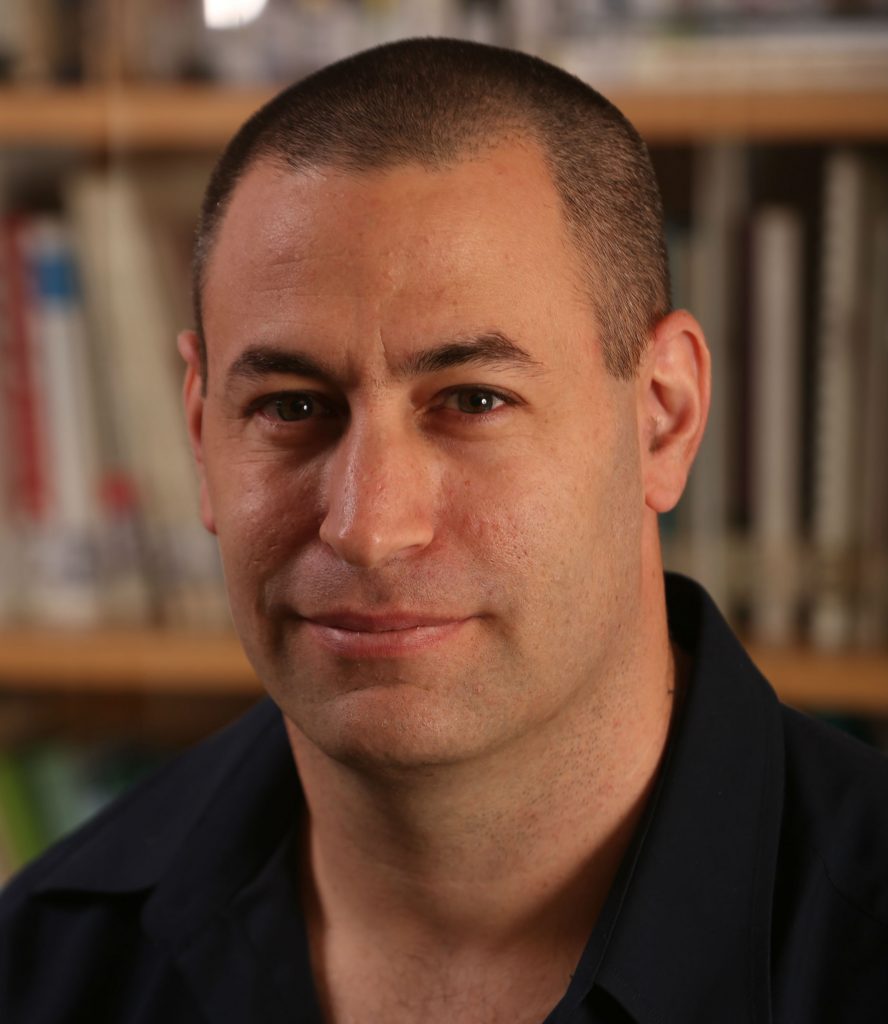
Ido Rosenzweig is the Director of Multiple and Cascading Extreme Conditions Research and a Research Fellow at the Minerva Center for the Rule of Law under Extreme Conditions, University of Haifa, since 2014. He coordinates cutting-edge research on cascading and complex extreme conditions, an expanded focus from his earlier work on belligerencies, terrorism, and cyber. In this role, he developed the Center’s early career researcher framework and organized numerous international workshops and conferences.
An accomplished international lawyer, Dr. Rosenzweig co-founded and serves as Chairperson of ALMA – Association for the Promotion of International Humanitarian Law. His practical expertise includes roles in the International Law Department of the Israeli Ministry of Foreign Affairs (2006-2008) and as a researcher at the Israel Democracy Institute (2009-2014).
Dr. Rosenzweig earned his Ph.D. in International Law from the Hebrew University of Jerusalem (2022). His dissertation, “The Humanization of Combatants: The Right to Life of Combatants under International Law,” received the Malcolm and Judith Shaw Prize for an outstanding doctoral dissertation. He has taught international law at various academic institutions and submitted amicus curiae briefs to national and international courts. He is a member of the Israeli Bar since 2007.
Ido served in the International Law Department of the Israeli Ministry of Foreign Affairs between 2006 and 2008, and worked as a researcher at the Israel Democracy Institute in the Terrorism and Democracy Research Division between 2009 and 2014. He has taught and trained students in international law in several academic institutions, and has submitted several amicus curiae briefs to national and international courts (including the ICC at the Ntaganda case, and the ECCC).
Ido has earned his PhD in international law (2022) at the Hebrew University of Jerusalem. His dissertation titled: The Humanization of Combatants: The Right to Life of Combatants under International law. The PhD was written under the guidance of Prof. Yuval Shany (Hebrew University), and Prof. Noam Lubell (Essex University). For his dissertation Ido has received the Malcolm and Judith Shaw Prize for an outstanding doctoral dissertation in the field of public international law and/or human rights.
Member of the Israeli Bar since 2007

Eli M. Salzberger is the head of the Minerva Center for the Rule of Law under Extreme Conditions. Eli was the Dean of the Faculty of Law at the University of Haifa and the President of the European Association for Law and Economics. He is a graduate of the Hebrew University Faculty of Law (1st in class). He clerked for Chief Justices Aharon Barak and Dorit Beinish. He wrote his doctorate at Oxford University on the economic analysis of the doctrine of separation of powers. His research and teaching areas are legal theory and philosophy, economic analysis of law, legal ethics, cyberspace and the Israeli Supreme Court. He has published more than 40 scientific articles. His latest book (co-authored with Niva Elkin-Koren) is The Law and Economics of Intellectual Property in the Digital Age: The Limits of Analysis (Routledge 2012), preceded by Law, Economic and Cyberspace (Edward Elgar 2004). He was a member of the board of directors of the Association for Civil Rights in Israel, of the public council of the Israeli Democracy Institute and of a State commission for reform in performers’ rights in Israel. He was awarded various grants and fellowships, among them Rothschild, Minerva, GIF, ISF, Fulbright, ORS and British Council. Salzberger was a visiting professor at various universities including Princeton, University of Hamburg, Humboldt University, University of Torino, Miami Law School, University of St. Galen and UCLA. Currently he is the director of the Haifa Center for German and European Studies, the director of the Minerva Center for the Study of the Rule of Law under Extreme Conditions and he is the co-director of the International Academy for Judges at the University of Haifa Faculty of Law.
Shani Schnitzer

Yahli Shereshevsky is a senior lecturer (associate professor) at the University of Haifa Law School. He was previously a post-doctoral fellow at the Federmann Cyber Security Reserach Center, the Minerva Center for the Rule of Law under Extreme Conditions, and a Grotius Research Scholar at the University of Michigan Law School. Yahli specializes in international law, focusing on international humanitarian law, international lawmaking, international legal theory, war and technology, and international criminal law.
Yahli received his PhD from the Hebrew University of Jerusalem, where he was a Hans-Guth Dreyfus Fellow for Conflict Resolution and the Law and was enrolled in the Hoffman Leadership and Responsibility Fellowship Program. Yahli holds an LLB in Law and the “Amirim” Interdisciplinary Honors Program for Outstanding Students (summa cum laude) from the Hebrew University. He clerked for the Honorable Deputy Chief Justice Eliezer Rivlin of the Supreme Court of Israel. Yahli’s work has been published in leading journals including the European Journal of International Law, the Virginia Journal of International Law, The Michigan Journal of International Law, and the Journal of International Criminal Justice.

Deborah F. Shmueli is a Professor Emerita in the School of Environmental Science at the University of Haifa. She is a co-Principal Investigator of the Minerva Center for the Rule of Law under Extreme Conditions and the former Head of the National Knowledge and Research Center for Emergency Readiness, Israel. She is also an Adjunct Professor in the Department of Computer Science and Engineering, in the School of Sciences, field of Societal Safety and Emergency Management, European University Cyprus. She is a planner specializing in environmental and public policy and has published widely in these areas. Strong foci are alternative dispute management, collaborative planning, and community and institutional capacity building, environmental and public policy, resilience and emergency management. She received her BS and MCP degrees from MIT (1980), and her DSc from the Technion Israel Institute of Technology (1992).
Tine Stein
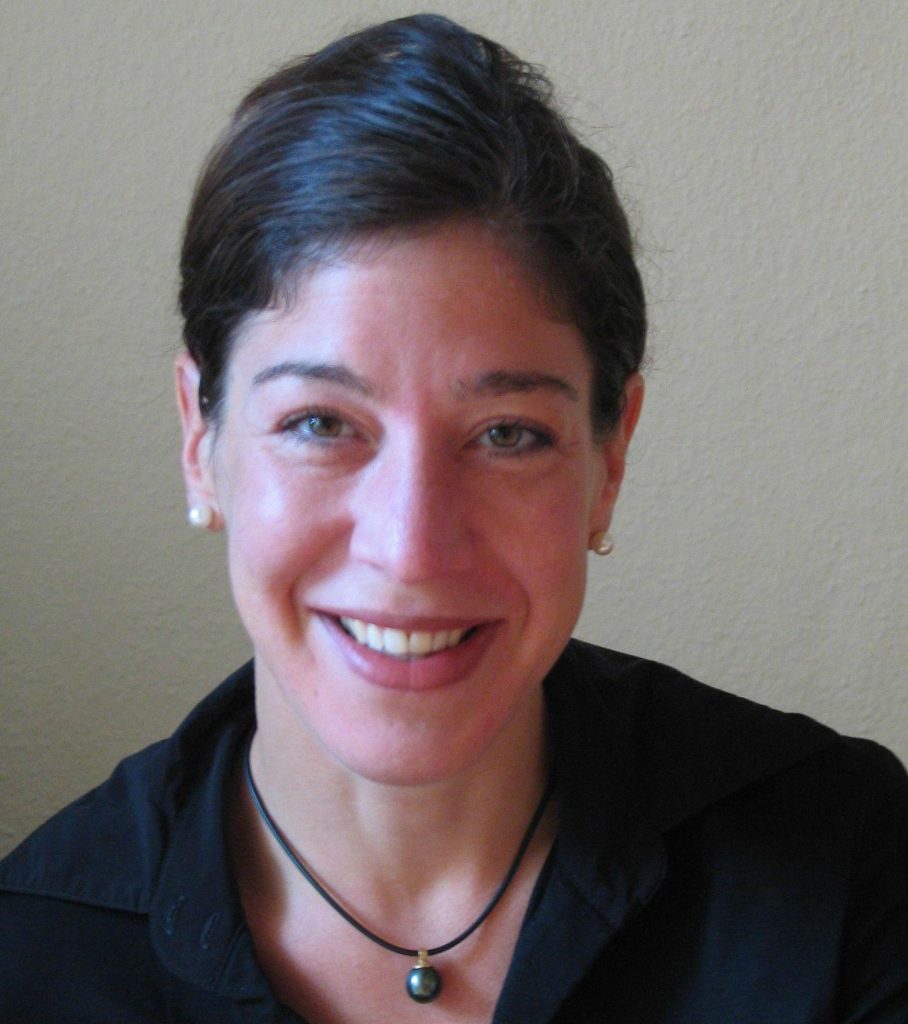
Anne van Aaken (Dr. iur. and MA Economics) is Professor of Law and Economics, Legal Theory, Public International Law and European Law, University of Hamburg, Germany (Alexander von Humboldt Professor 2018-2023) and Co-Director of the Institute for Law and Economics. Anne was Vice-President of the European Society of International and the Chair of the European University Research Council (2020-2023). She taught as a guest professor at numerous universities around the world (i.a. HEID, World Trade Institute, NYU, HebrewU and University of Haifa) and was a Fellow at the Institute for Advanced Study Berlin in 2010/11. She was a general editor of the Journal of International Dispute Settlement (OUP) and is a member of the editorial boards i.a. of the American Journal of International Law, the European Journal of International Law (till 2021), the Journal of International Economic Law (OUP) and International Theory (OUP). She has been consultant for the IBRD, OECD, UNCTAD, GIZ and the UN.
Anne’s far over 100 publications are often interdisciplinary, using economics and social science methods, including behavioral sciences, to understand the consequences of law as well as law-making. Her newest edited book is “International Legal Theory and the Cognitive Turn”, OUP 2025 with Moshe Hirsch.
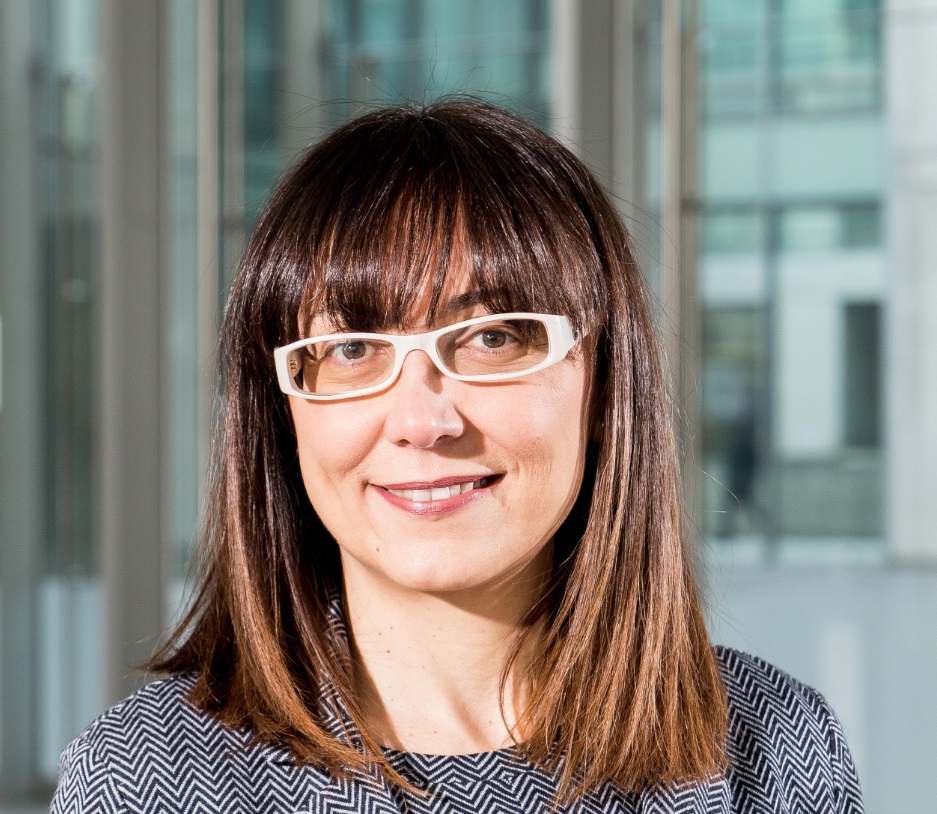
Arianna Vedaschi is Full Professor of Comparative Public Law at Bocconi University, Milan, Italy and member of the Baffi Research Center at the same University.
Her research focuses on legal responses to political and technical emergencies as well as on their impact on human rights and personal freedoms, on which she published several books, articles in top law journals, and chapters in volume. Among her most recent publications, she co-authored with Chiara Graziani the book Artificial Intelligence, Counter-Terrorism and the Rule of Law: At the Heart of National Security (Elgat, 2025) and she edited (under the auspices of the International Academy of Comparative Law) the volume Governmental Policies to Fight Pandemic. The Boundaries of Legitimate Limitations on Fundamental Freedoms (Brill, 2024). and authored the articles Post-Pandemic Constitutionalism: COVID-19 as a Game-Changer for “Common Principles”? (University of Pennsylvania Journal of International Law, 2023) and New Dynamics of the “Post-COVID-19 Era”: A Legal Conundrum (German Law Journal, 2023).
Along with Kim Lane Scheppele, she chairs the Research Group on “Constitutional Responses to Terrorism” within the International Association of Constitutional Law.
She has been visiting professor in prominent universities and research centers in Europe, the US and Latin America. Among them, Istituto Svizzero di Diritto Comparato (Switzerland), Trinity College Dublin (Ireland), Max Planck Institute for Comparative Public Law and International Law (Heidelberg, Germany), and Fordham Law School (New York, United States).
She is a member of the Executive Board of the Italian Association of Comparative Law and of the Board of Auditors of the Association of Comparative and European Public Law, where she has also been Secretary General. She is the Vice-Director of the Law Review Diritto Pubblico Comparato ed Europeo.